






Learning to Love Your Texture: Curly & Textured Hair Tips from Mariana Ritchison
For many people with curly or textured hair, learning how to care for their natural texture can feel overwhelming.
Which products do you actually need?
How often should you wash your hair?
Should you air dry or diffuse?
Why does your hair look completely different from one wash day to the next?
After years of product recommendations, complicated routines and trying to make textured hair behave a certain way, sometimes what you really need is to go back to the basics.
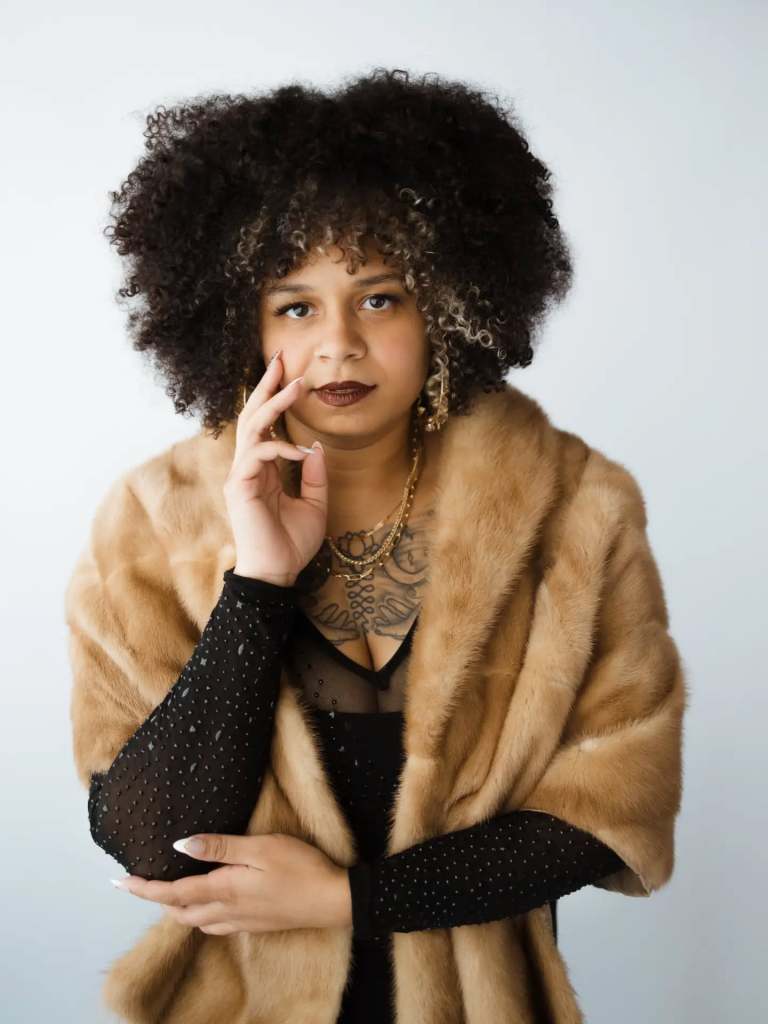
That’s an approach textured hair specialist Mariana Ritchison understands well.
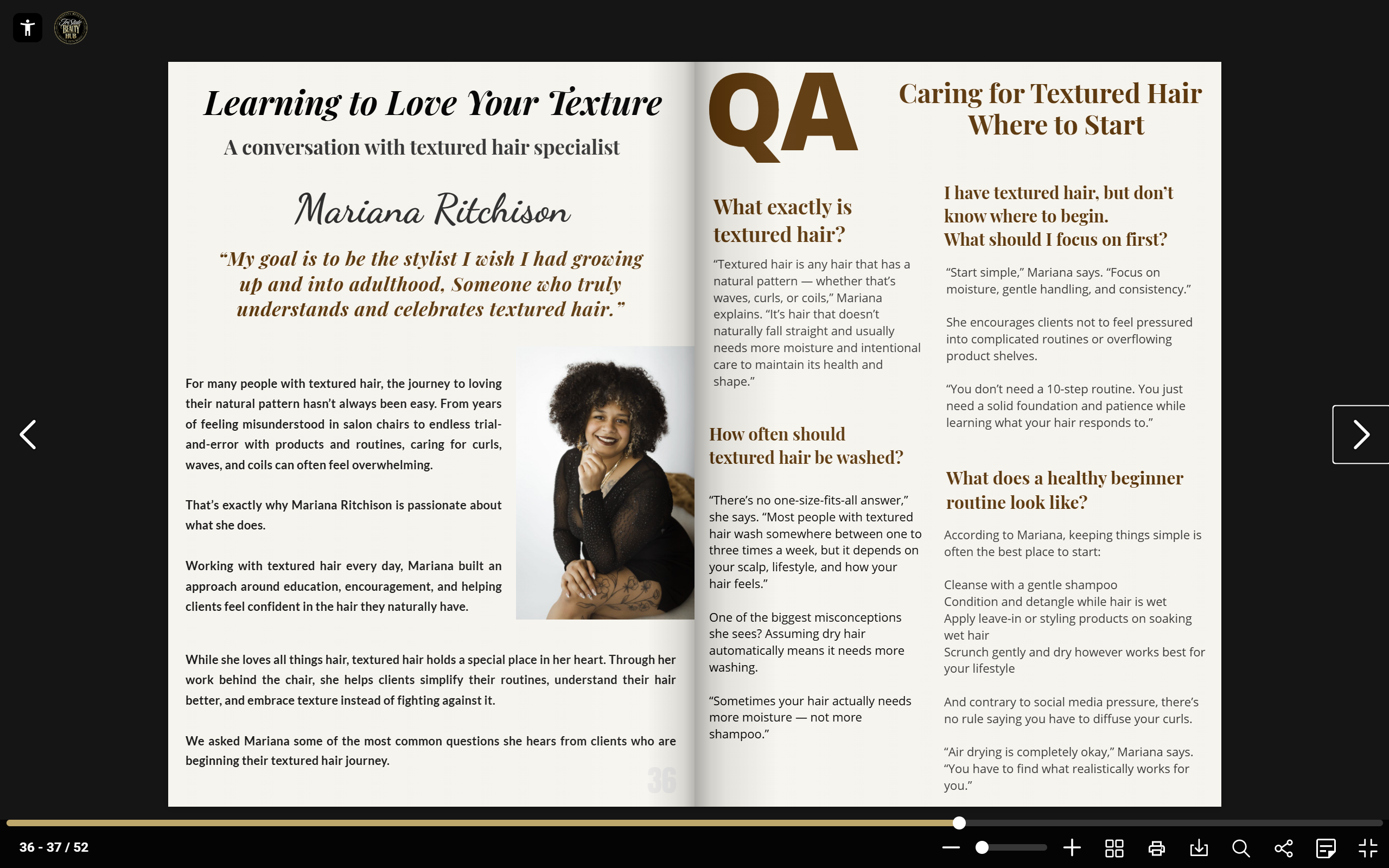
“My goal is to be the stylist I wish I had growing up and into adulthood. Someone who truly understands and celebrates textured hair.”
Mariana works with textured hair every day and has built her approach around education, encouragement and helping clients feel confident in the hair they naturally have.
While she loves all things hair, textured hair holds a special place in her heart. Through her work behind the chair, she helps clients simplify their routines, better understand their hair and learn to embrace their texture instead of fighting against it.
We asked Mariana some common questions about caring for wavy, curly and coily hair and what someone should know when beginning their natural-texture journey.

Q&A with Mariana:
• What Is Textured Hair?
Textured hair isn't limited to one curl type.“Textured hair is any hair that has a natural pattern — whether that's waves, curls, or coils,” Mariana explains.
“It’s hair that doesn’t naturally fall straight and usually needs more moisture and intentional care to maintain its health and shape.
”That means textured hair can look very different from one person to another—and so can the routine needed to care for it.
• How Often Should You Wash Curly or Textured Hair?
There isn't one wash schedule that works for everyone.Mariana says most people with textured hair may wash somewhere between one and three times per week, but your scalp, lifestyle and how your hair feels all play a role.
One common misconception is assuming that hair feeling dry means it needs to be washed again.
Sometimes, Mariana explains, your hair needs more moisture—not more shampoo.
Instead of following a rigid schedule, start paying attention to what your own hair and scalp are telling you.
• New to Caring for Your Natural Texture?
Start Simple.
If you've recently decided to embrace your curls, waves or coils, scrolling through elaborate curly-hair routines can make you feel like you need an entire cabinet of products just to get started.
You don't.
Mariana recommends focusing first on three things:
Moisture.
Gentle handling.
Consistency.
“You don't need a 10-step routine. You just need a solid foundation and patience while learning what your hair responds to.”That patience matters. Learning your natural texture is a process, and what works beautifully for someone else's curls may not be what your hair needs.
• A Simple Beginner Routine for Textured Hair
For someone who doesn't know where to begin, Mariana recommends keeping the routine manageable:
• Cleanse with a gentle shampoo.
• Condition and detangle while the hair is wet.
• Apply leave-in or styling products to soaking-wet hair.
• Gently scrunch.
• Dry using the method that realistically works for your lifestyle.
And despite what you may see all over social media, you do not have to diffuse your curls.
Air drying is completely okay.
The goal isn't to follow someone else's perfect curly-hair routine. It's to discover a routine you can realistically maintain.
• Why Does Textured Hair Still Feel Dry After Using Products?
More product isn't always the answer.
According to Mariana, when you apply your products can be just as important as what you're applying.
Applying products to soaking-wet hair can help lock in hydration more effectively. The order in which you layer your products also matters.
Mariana's easy way to remember it?
“Think hydration first, then hold.”
Instead of continuously adding more products when your curls feel dry, look at how and when you're applying the products you already have.
• What's the Best Way to Dry Curly or Textured Hair?
The key word is gentle.
Instead of roughly rubbing wet curls with a traditional towel, Mariana recommends using a microfiber towel or cotton T-shirt to gently scrunch excess water from the hair.
From there, you have options.
You can air dry.
You can diffuse.
Both can work.
Choose the drying method based on your hair, your available time and your personal preference—not because social media tells you there's only one “correct” way to dry curly hair.
• Why Do My Curls Look Different Every Wash Day?
If you've ever followed the exact same routine and somehow ended up with completely different curls, you're not imagining it.
It's normal.
Humidity, the products you use, your drying method and even how you slept can affect how your texture looks.
Instead of trying to achieve identical, perfect curls every time, Mariana encourages clients to focus on consistency over time.
“The goal isn’t perfect hair every single day. It’s understanding your hair better and learning what helps it thrive.”
That's a very different way of thinking about natural hair—and one that can take some of the pressure out of wash day.
• How Many Products Do You Really Need for Textured Hair?
Probably fewer than you think.
Mariana says many people actually do better with a smaller number of well-chosen products.
For someone just beginning a curly or textured hair routine, she recommends starting with:
A good cleanser
A conditioner
One or two styling products
That's it.
Once you understand how your hair responds, you can make adjustments without buying a completely new collection every time you see another curly-hair recommendation online.
• Caring for Textured Hair Between Wash Days
Your routine doesn't end once your hair is dry.
Protecting textured hair while you sleep can help maintain moisture, preserve your style and reduce frizz between wash days.
Mariana recommends simple nighttime protection such as a satin or silk pillowcase or loosely putting your hair up while sleeping.
Small changes can make a meaningful difference without adding another complicated step to your routine.
• When Should You See a Textured Hair Professional?
Sometimes you've tried the products, watched the tutorials and changed your routine—and you're still frustrated.
That's when working with someone who understands textured hair can be especially helpful.
“If you feel stuck, overwhelmed, or like your hair just isn’t working no matter what you try — that's a great time to come in,” Mariana says.
Professional guidance can help take some of the guesswork out of identifying what your individual hair needs.
“The right support can save you a lot of trial and error and help you actually enjoy your hair.”
And ultimately, that's the goal.Not perfect curls.
Not a 10-step routine.
Not making your natural texture look exactly like someone else's.
It's understanding your own hair, learning what helps it thrive and feeling confident wearing the texture that's naturally yours.
View Mariana's Hub Listing